From Doing to Being: Choosing Kindness
A Workshop for Personal Wellness and Self-Regulation
Saturday, January 31 at 11:30 AM
Kindness is more than a value—it’s a powerful wellness practice. In this experiential workshop, participants explore how kindness shapes the brain, regulates the nervous system, and restores balance in a culture of constant doing. Through reflection, breathing, and neuroscience insights, attendees leave with a simple kindness practice to support resilience and wellbeing daily.
Panel Description
Kindness is often thought of as a personality trait or a “nice-to-have” value, however neuroscience tells a very different story. In this interactive and experiential session, participants will explore kindness as a powerful wellness practice that shapes our brains, regulates our nervous systems, and influences how we show up for ourselves and others. Through guided reflection, simple breathing practices, and evidence-based insights from neuroscience, attendees will experience kindness not just as an idea, but as a felt state in the body.
The session invites participants to examine how modern life pulls us into constant “doing,” and how intentional moments of kindness and self-compassion help us reconnect with our sense of being. Attendees will leave with a deeper understanding of how kindness supports emotional regulation, empathy, and wellbeing. They will take away one simple, actionable kindness practice they can begin using immediately in daily life.
Key Takeaways
Participants will:
Understand why kindness is biologically powerful, not just emotionally meaningful.
Experience how kindness and self-compassion regulate the nervous system.
Explore the connection between identity, stress, and wellbeing.
Learn how small, consistent acts of kindness reshape the brain.
Leave with a personal kindness practice to support wellness and resilience.
Facilitator Bio
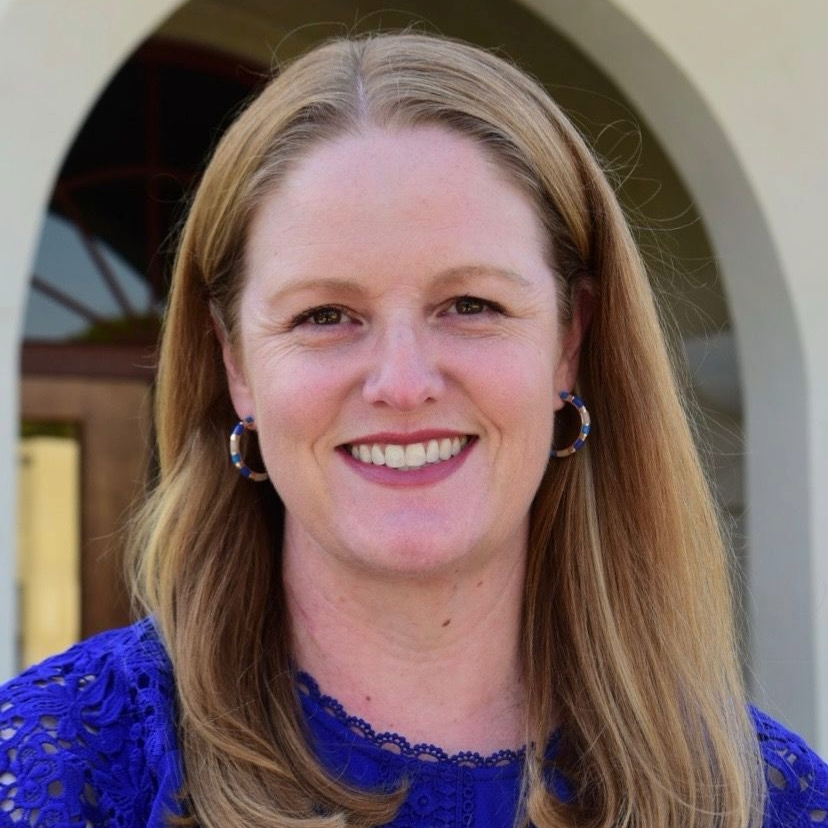
Elizabeth Cox is a community development leader, strategic communications professional, and creator and kindness curator of The Kindness Club, a mindset movement rooted in the belief that everyone matters, belongs, and can make a difference. The club has no applications, dues, or meetings. Its members are people who choose compassion over judgment, generosity over indifference, and connection over isolation. Elizabeth’s work is rooted in the understanding that kindness is not a personality trait, but a human capacity that can be cultivated individually and collectively.
With more than two decades of experience across government, nonprofit, and private sectors, Elizabeth has led large-scale initiatives focused on meaningful public engagement, youth leadership development, and community wellbeing. She holds a Master of Public Administration from San Diego State University, a Bachelor of Arts in Human Services from The George Washington University, and advanced training in executive leadership, mindful leadership, equity, and communications. As a facilitator, Elizabeth creates grounded, accessible spaces where participants feel safe to slow down, reflect, and reconnect with themselves. Her work invites people to move beyond performance and productivity, and toward a more embodied, intentional way of showing up in their lives and communities.